Adult Self-Defense: Train Smart at Condition 1 Fitness in Spring TX
Most adults who walk into a martial arts school are not looking to win a trophy. They want to feel safer, move better, and build confidence they can trust when the pressure ramps up. The gym matters, and so does the method. Train smart, and you gain durable skills without wrecking your joints or your schedule. Pick the wrong approach, and you chase techniques that look great in a demo but disappear in a chaotic moment behind a grocery store at 9 p.m.
Condition 1 Fitness in Spring TX sits in that practical lane, with a focus on skills that carry into real life. Whether you have searched for martial arts classes near me or specifically for Condition 1 Fitness classes in Spring TX, the goal is the same, real capability built over time, with coaching that respects where you are, not where a 20 year old competitor is. If you have heard the place also called Condition 1 Combat Center, or you have browsed condition1combat.com, what follows will help you step into training with your eyes open, your expectations calibrated, and your plan realistic.
What smart self-defense training looks like for adults
The adults I coach typically show up from one of three paths. Some grew up active, took a decade off for work and family, and now want to get back into shape with purpose. Some are brand new, never threw a punch, never learned to fall. A few come in with sport backgrounds, often lifting or running, and want to round out gaps. Good programs meet each starting point without condescension or hazing. You should leave your first week feeling challenged, not crushed, and certain that the skills make sense in a crowded parking lot or on the kitchen tile.
At a strong gym like Condition 1 Fitness in Spring TX, adult sessions tend to emphasize core movements, clean posture, good habits under fatigue, and situational awareness. The emphasis stays on reliable mechanics you can reproduce when your heart rate spikes. Fancy is easy to teach, useful is harder. Expect a curriculum anchored around:
- Basic striking patterns that do not require perfect timing, like palm strikes, elbows, knees, and simple punches.
- Clinch and tie-up skills to avoid being grabbed, controlled, or dragged.
- Ground survival, including how to fall without panic, how to get up safely, and how to create distance or control briefly.
- Scenario thinking, from verbal boundaries to recognizing pre-assault cues and moving with a partner or family member.
That balance matters more than style labels. Different gyms package it through different lenses, from kickboxing to jiu-jitsu to mixed striking and grappling. What matters is pressure testing at a level appropriate for your stage, a culture of safety, and an honest path from beginner to competent.
A first look inside class
If you walk into an evening adult martial arts class at Condition 1 Fitness in Spring TX, you will notice the pace right away. There is a purpose to how the warm up flows into skill development. After a short mobility segment for hips, shoulders, and ankles, many classes get hands on quickly, because the skills live in your nervous system, not in a lecture.
One common pattern uses three blocks. First, a technical sequence on pads or with a cooperative partner, like a jab, cross, cover, and angle step, or a basic pummel drill to learn inside control. The aim is crisp mechanics and good posture. Second, a timing segment, still with safety gear, where the same pattern shows up at light intensity, and you handle an unpredictable stimulus, like a partner feeding the punch from either side. Third, an application round, brief and scaled, where you solve a situational problem such as freeing a wrist grab, defending a simple tackle, or creating space near a wall. Each segment builds on the previous one without overwhelming you.
Quality control looks mundane, but it is how adults stay safe and progress. Coaches stop the room to fix elbow position, talk about how to protect your head when turning, or demonstrate a safer way to stand up when someone crowds your feet. The point is not perfection, it is owning a few high value actions so they are there when you need them.
The smart training framework for busy adults
Training that respects adult bodies and schedules usually follows a clear framework. These are the checkpoints I look for when advising a new student or evaluating a program.
- Consistency over hero days. Two to three sessions each week for 12 weeks beats one brutal session followed by a week of soreness. Your connective tissue adapts slower than your lungs.
- Progressive pressure. Start cooperative, move to semi-resistant, then add time or chaos. Full resistance without fundamentals builds frustration and bad habits.
- Few techniques, many reps. A dozen core actions executed a thousand times will serve you better than a hundred techniques glossed over once.
- Context first. Every drill should answer a where and when. Techniques that ignore surfaces, clothing, space, or other people create false confidence.
- Recovery as skill. Adults need sleep, hydration, and joint care plans. Strength and mobility are part of self-defense, not an optional side quest.
These principles keep you on track when life gets complicated. They also guide how you choose from the menu of classes, whether you favor adult martial arts classes that skew striking heavy, beginners martial arts classes that build from zero, or private martial arts classes when your schedule is unpredictable.
Striking that holds up off the mats
Effective self-defense striking is simple, scalable, and rooted in structure you can reproduce under stress. I teach palm strikes to the face early, because they protect the knuckles and let you generate power without surgical accuracy. Elbows and knees add short range tools that work when space is tight. Low kicks to the thigh or calf, while not glamorous, disrupt balance fast. Boxing fundamentals, especially a high, active guard and disciplined footwork, protect you during messy exchanges.
On the equipment side, focus mitts teach aim and timing. Heavy bags build impact tolerance and rhythm. Light technical sparring, when the coach knows how to calibrate intensity, connects the dots. If you are new, look for a gym culture where you can say no to harder rounds without attitude. Condition 1 Fitness classes in Spring TX typically include clear safety expectations and supervised drills so you can ramp up without guessing.
One practical note for Spring’s climate, bring an extra shirt. Houston humidity does not play nice with cotton, and grip oriented drills get slippery fast. Good hygiene is part of good defense. Trim nails. Wipe gear. Clean small scrapes the same night.
Grappling that keeps you on your feet, or gets you back there
Ground fighting in a cage is a chess match. In a parking lot, it is a risk. Adults who carry keys, a bag, or who may be with kids need to prioritize standing balance, frames, and escapes. You still need to know what happens on the floor, but the focus lands on survival and get-ups.
I teach stand-up grappling with three anchors. First, posture and base, so you cannot be yanked off balance easily. Second, clinch literacy, the ability to pummel for inside control, use head position well, and break grips. Third, takedown defense against the common tackles and body locks you see in untrained aggression. On the ground, the priority is guard retention for a few seconds, frames that protect the head, and hip movement into a technical stand-up. Submissions exist, but you should reach for them only when the situation and environment make sense, not as your first instinct.
Expect classes at a place like Condition 1 Combat Center to blend drilling with positional rounds. You may start on your back under light pressure and work to a stand-up, or you might fight for an underhook against the wall with the clock running. This type of training builds the breath control and composure you need without throwing you into random chaos.
Scenario training and the soft skills that prevent fights
Most adult incidents start with words, space violations, or subtle pre-assault cues like grooming gestures and target glances. Good self-defense training rehearses those small moments. Boundary setting requires practice, not just theory. Your voice carries differently when your heart rate hits 150, and your ability to choose words narrows. Run lines out loud in class. Build phrases that match your personality. Stand in a square on the floor and practice how you angle your body, hold your hands, and move when a stranger closes distance too fast.
Scenario work does not need drama to be effective. I find short, 30 to 60 second vignettes are best. One person plays a frustrated stranger. The defender manages space, uses a barrier like a bag or cart, and exits in control. Gradually add a second person, or change the surface from mat to concrete or rubber tiles. The aim is to layer complexity, not to act.
A brief word on legal and ethical considerations in Texas. Self-defense laws are nuanced, and the details matter. What is reasonable force depends on the situation and the specific threat. The principle to hold onto, use only the force necessary to stop the threat and create a safe exit. Good gyms remind students to prioritize escape, call for help, and document incidents when possible. Speak with a local attorney if you want a deeper understanding of how the law applies to common scenarios.
Building the engine without burning out
Adults in their 30s through 60s come with history. Old ankle sprains. Desk shoulders. A back that argues after lawn work. Smart conditioning respects those realities while raising your floor of fitness so your techniques work late in the round, not just in the first 10 seconds.
Warm ups do not need to be punishment. Five minutes of joint circles, light band work for scapular activation, and a short breathing drill set you up well. On strength, think compound patterns at moderate loads. Squats to a box, deadlifts with a trap bar, push-ups with a controlled tempo, and rows that teach your shoulder blades to move. Two days per week of 30 to 45 minutes will carry your striking and grappling further than you expect.
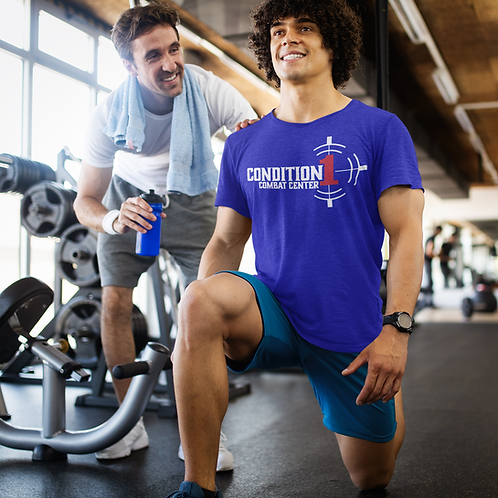
For conditioning, use intervals you can repeat while keeping form. A simple protocol is 30 seconds of work, 30 seconds of rest for 10 to 15 minutes on a bike or rower. Save the sprint work for when your joints and tendons have adapted, usually after 8 to 12 weeks. Keep a hydration plan. In Spring TX, a class after work in August feels like a sauna. Electrolytes help. So does a towel in your gym bag.
Recovery needs its own slot. Adults benefit from 7 to 9 hours of sleep, protein with each meal, and a check-in approach to nagging pain. If a joint complains past 72 hours, downshift. Replace hard rounds with technical drilling. Ask a coach to adjust grips or angles. A small correction often fixes a big ache. If not, see a clinician. Training through sharp pain is bravado, not progress.
Equipment that protects you and your partners
You do not need a suitcase of gear to start. Quality over quantity pays off. For striking, 14 or 16 ounce gloves protect both people in a round. A fitted mouthguard matters, as do hand wraps if you intend to punch with a closed fist. Many adults prefer to strike with palms during early weeks, which reduces impact on the wrists. For shin guards, pick a pair that stay put during movement. On grappling days, bring a breathable top, nail clippers, and a small roll of athletic tape for minor finger tweaks. Ask your coach about shoes on the mat, since policies differ. Some schools allow wrestling shoes, others prefer bare feet.
Hygiene is a quiet safety tool. Wipe down gear after class, wash it the same day, and swap shirts if you take back to back sessions. Small habits keep skin healthy and partners willing to pair up.
How to evaluate a local gym without guesswork
If you are scanning options for local martial arts classes around Spring, focus on evidence, not marketing language. Sit in on a class. Watch how the coach corrects form. Notice if beginners get attention without slowing the whole room. Look for progression written on a whiteboard or communicated clearly at the start. See how sparring or resistance rounds are supervised. If you have kids, observe a kids martial arts class and compare structure, not flash. Better schools hold the same values across age groups.
Five reliable signals that a school will support your goals:
- Clear coaching cues with demonstrations from multiple angles, repeated as needed without ego.
- Scaled intensity for beginners, with options to opt out of contact or go lighter, no pressure or eye rolls.
- Partner culture that protects smaller or newer students, including how partners are assigned and rotated.
- Clean facility, basic first aid within reach, and straightforward policies on gear, hygiene, and injuries.
- Transparent pricing with simple paths for adult martial arts classes, family martial arts classes, and private martial arts classes if needed.
If a school checks these boxes and your gut says the culture fits, you are likely in the right place. Many families look for after school martial arts classes for their kids while the adults train in a later block. Ask about weekend martial arts classes too, since Saturday or Sunday options often carry you through busy work weeks. Some places offer affordable martial arts classes bundled as family plans, which solves both budget and scheduling.
Condition 1 Fitness classes in Spring TX often attract adults who want practical training and a professional environment. If you are comparing notes between names, you may see references to Condition 1 Combat Center as well. When in doubt, call ahead or check condition1combat.com for current schedules and offerings. Keep your questions direct, such as how they on-ramp beginners, how they manage sparring, and what a three month plan looks like.
A practical 12 week ramp-up
Start with a window long enough to build real change. Twelve weeks gives your joints time to adapt, your cardio a base, and your confidence a few notches. If you can make three sessions a week, great. If not, attend two and add a short home session.
Weeks 1 to 4 are about foundations. Attend beginner friendly classes and stay technical. Learn how to stand, how to move, how to cover. Practice a simple striking combo on pads and one get-up from the ground. Keep grappling light and focus on posture. Add one strength session each week with bodyweight and bands. Expect new soreness. Sleep more on purpose.
Weeks 5 to 8 increase complexity. Introduce semi-resistant drills. Start positional rounds in the clinch against the wall. Work short scenario clips that include boundary setting and exit paths. Keep one session purely technical to protect recovery. Add a second strength day if joints feel good. Track your water intake, because Texas heat makes recovery messy if you ignore it.
Weeks 9 to 12 bring structured pressure. That might be light sparring under strict rules or progressive grappling where you start in a bad position and escape. Repeat the same drills weekly so you can measure improvements. Take one deload week in this block, moving at 60 to 70 percent of normal intensity. By the end, you should have four or five reliable skills you trust, a better gas tank, and a plan for what to practice next.
Safety culture you can trust
Adults stick with training when they feel safe, respected, and seen. A good coach pairs you with partners thoughtfully, stops rounds when form degrades, and sets norms you can repeat. Tap early and clearly during grappling. On striking days, agree on power level out loud before a round. Wear the right gear for the drill. Tell your coach about previous injuries. If you feel pressure to do something you are not ready for, say so. The response in a quality gym will be supportive, not dismissive.
I have seen more injuries from ego than from training volume. People swing too hard too soon, fight to stand up out of bad positions, or hide fatigue instead of asking for a break. The fix is simple, be honest with yourself and your partners. A year from now, you will not remember that you took a round off. You will remember that you kept showing up.
How family and schedule fit together
Many adults step in because their kids start first. Kids martial arts classes can be a doorway for the entire household to move better and communicate about safety in a grounded way. At schools like Condition 1 Fitness, scheduling often aligns youth and adult options so that families can train in adjacent time blocks. Ask about this website family discounts, and whether you can mix class types through the week, such as one striking day, one grappling day, and one open mat or conditioning session. If you travel for work, check if the gym allows make-up classes or short term holds.
For those who work late or in shifts, weekend martial arts classes offer a lifeline. I have trained many professionals who only made Saturday mornings, and their progress over a year matched those who came twice during the workweek. The constant is intention, not the exact slots.
Budget, value, and the long game
Cost matters. Affordable martial arts classes do not mean cheap instruction. Evaluate total value. If a membership includes structured beginner on-ramp, thoughtful coaching, and a path into adult self-defense competency, it may save you money over time compared to hopping between drop-ins that never add up to skill. Private martial arts classes help when your schedule or goals are specific, and a short block of three to six sessions can accelerate your start. If a gym offers a free trial, use it to test not just the facility but the fit.
When you search for Condition 1 Fitness classes in Spring TX, or Condition 1 Combat Center, you will find contact info and current programs on condition1combat.com. Reach out with clear questions: What is the recommended first class for an adult with no experience? How do you ramp to sparring? Can I bring my teen to the same time slot? Good staff answer directly and invite you to see a class in action.
Why Spring TX is a great training ground
Spring and the North Houston area bring a mix of suburban pace and real city edges. Parking lots bustle, outdoor spaces stay busy late, and summer heat punishes poor planning. Training here shapes habits you will actually use. You will learn to manage sweat in grip fighting, choose footwear that does not betray you on wet tile, and read a crowd in a way that matters when you exit a store with your kids. The community around Condition 1 Fitness is practical, people with commutes on I 45 and schedules that change at the last minute. A program that acknowledges that reality, and still delivers steady progress, is worth your time.
Getting started today, without overthinking it
If you are on the fence, choose momentum over perfect planning. Visit Condition 1 Fitness, watch an adult class, and talk to a coach. Say you want to train smart, build skills you can trust, and stay healthy enough to come back three days a week. Ask for a beginner path. Bring water, a clean pair of training clothes, and an open mind. After the first two weeks, reassess with your coach. Adjust schedule, intensity, or focus areas, and set a simple target for the next month.
Adults who succeed in self-defense training do two things well. They show up regularly, and they practice a few high impact actions until those actions feel like home. If you can jab, cover, angle out, pummel for inside control, and stand up from the ground under mild pressure, you have moved the needle more than you think. Layer on conditioning gradually, keep your joints happy, and learn to read situations early. That is training smart, and it is the kind of training Condition 1 Fitness in Spring TX is built to support.